
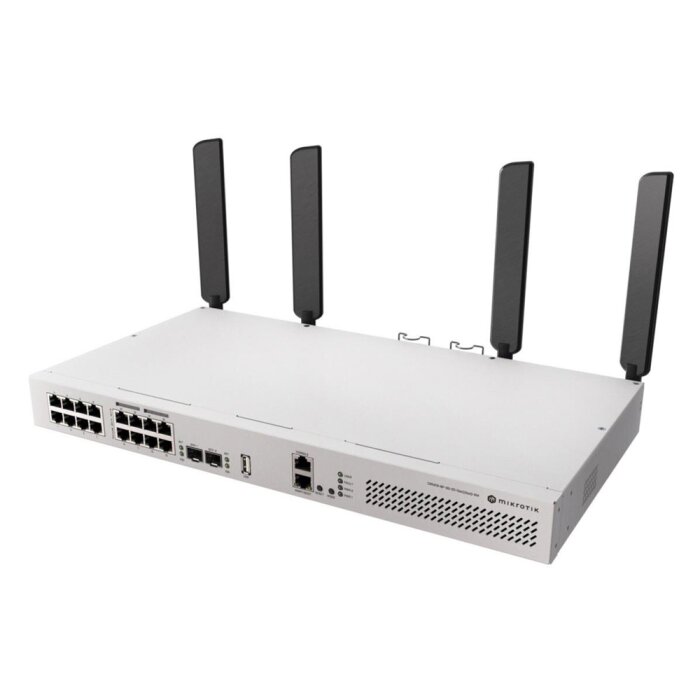
Winbox Login Troubleshooting: Common Access Questions Answered
Troubleshoot why the login page rejects your access. Find solutions to common Winbox login issues.
Why do some users experience difficulty when trying to access an online account? Login problems can arise from simple credential errors, browser conditions, connectivity interruptions, or temporary technical maintenance. For anyone researching winbox login, knowing how to identify the likely source of an access issue can save time and prevent unnecessary repeated attempts. The following FAQ-style guide examines common login situations and explains practical ways to approach them.
In This Article
- Why does the login page reject my credentials?
- Should users repeatedly attempt to log in?
- What if the login page keeps refreshing?
- Why is a stable internet connection important?
- What should users do if the website is temporarily unavailable?
- How can browser settings affect account access?
- Is password recovery preferable to guessing?
- How can users recognize a suspicious login request?
- What should be checked after recovering an account?
- How can future login issues be reduced?
Why does the login page reject my credentials?
The most common explanation is that one or more details have been entered incorrectly. Users should check whether the username, email address, or password matches the information originally registered.
Keyboard settings can also cause unexpected errors. Caps Lock, language settings, and automatic password suggestions may alter what is entered without the user noticing.
Should users repeatedly attempt to log in?
Repeated attempts are generally not the best troubleshooting method. Some account systems may temporarily restrict authentication after several unsuccessful attempts as a security precaution.
Instead, users should carefully review their credentials and use the official recovery procedure if they cannot remember the correct password.
What if the login page keeps refreshing?
A constantly refreshing page may indicate a browser, cookie, cache, or connection problem. Users can try closing the page and opening a fresh browser session.
If the issue continues, clearing temporary website data may help. It is also useful to check whether the browser is running its latest available version.
Why is a stable internet connection important?
Authentication requires communication between the user’s device and the platform’s servers. An unstable connection can interrupt this process before the account is successfully verified.
Users experiencing repeated loading problems should test their connection by opening other trusted websites. Switching to a more stable network may help identify whether connectivity is responsible.
What should users do if the website is temporarily unavailable?
Temporary unavailability can result from scheduled maintenance, technical updates, or unexpected service interruptions. In such circumstances, changing personal login settings may not solve the problem.
Users should wait and try again later rather than repeatedly entering credentials. If the platform provides an official service-status announcement, that source can offer useful information.
How can browser settings affect account access?
Cookies and JavaScript may be required for certain website functions. Aggressive privacy settings or browser extensions can sometimes interfere with interactive login forms.
If access works in one browser but not another, the difference may point toward a local browser configuration issue. Users can investigate extensions and privacy settings while maintaining appropriate security controls.
Is password recovery preferable to guessing?
Yes. If the correct password is uncertain, using the official recovery mechanism is generally safer than repeatedly guessing credentials.
A recovery process can provide a controlled method for verifying account ownership and establishing new credentials. Users should never provide recovery information to unknown individuals claiming to offer assistance.
How can users recognize a suspicious login request?
Unexpected requests for passwords, verification codes, or other confidential details should receive careful attention. Users should not disclose credentials through social messages, informal support channels, or suspicious forms.
A genuine support process should use recognized communication methods. When uncertain, users should navigate directly to the official platform instead of clicking an unsolicited link.
What should be checked after recovering an account?
After regaining access, users should review account information and security settings. Any unfamiliar changes or unexpected activity should be investigated through legitimate support channels.
Creating a new, unique password after a suspected compromise is also a sensible precaution. Users should avoid reusing the same password across multiple services.
How can future login issues be reduced?
Preventive habits are often more effective than troubleshooting after a problem occurs. Keeping credentials securely stored, maintaining updated software, and using a trusted network can reduce routine access difficulties.
Users should also remember that account security involves more than authentication. Responsible device use, careful link verification, and private credential management all contribute to a safer digital experience.