
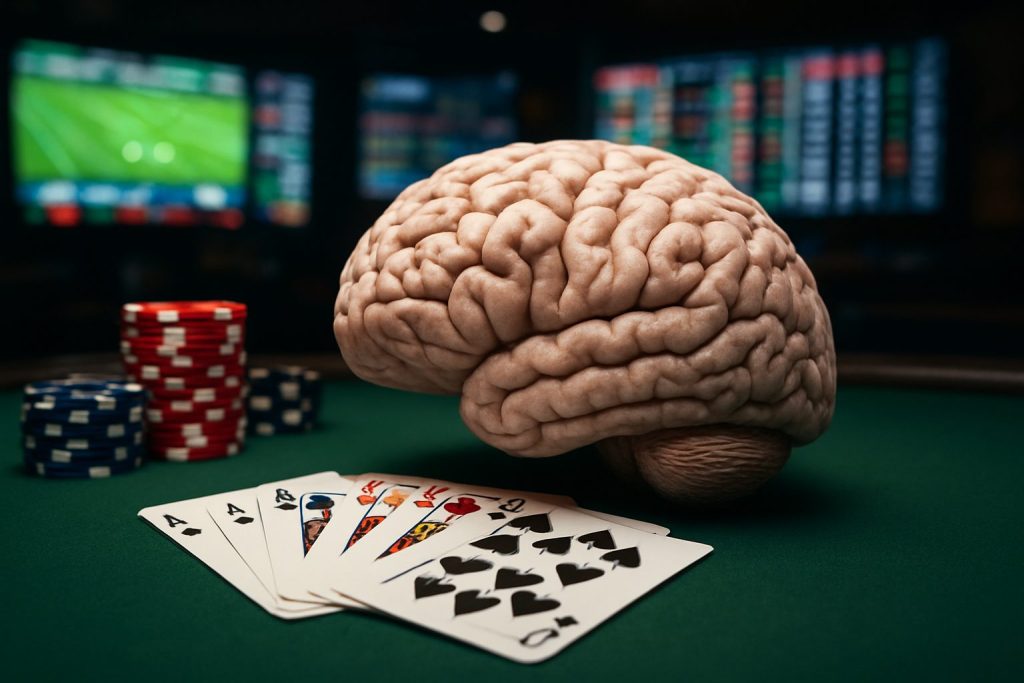
The Psychology of Baccarat: How Your Mindset Shapes Your Results
Explore how psychology impacts your baccarat game and decision-making.
Strategy and statistics form the technical foundation of baccarat. But there is a third dimension that receives far less attention: the psychological side of the game. How you think during a session directly influences your decisions—and your decisions determine your results. Players on sexycasino who master the mental side of baccarat gain a meaningful edge over those who rely on systems alone.
Why Does Psychology Matter in a Game Determined by Chance?
Baccarat outcomes are mathematically random. But your decisions—which bet to place, how much to wager, when to stop—are not random. They are shaped by emotion, cognitive bias, and mental fatigue. Improving these decisions is the only area where a player can genuinely influence their results.
What Is the Gambler’s Fallacy and How Does It Affect Baccarat Players?
The gambler’s fallacy is the belief that past outcomes influence future results in a game of independent events. In baccarat, it manifests as thoughts like: “The Player hasn’t won in six hands—it’s due for a win.”
This reasoning is mathematically incorrect. Each hand is independent. The probability of Banker winning remains approximately 45.86% regardless of what happened on the previous ten hands.
Recognizing this fallacy prevents emotionally driven bet switches at the worst possible moments.
What Is Loss Aversion and How Does It Affect Bet Sizing?
Loss aversion is a well-documented psychological phenomenon where the pain of losing feels approximately twice as powerful as the pleasure of an equivalent gain. In baccarat, this drives players to:
Increase bet sizes after losses to “recover” faster
Reduce bets aggressively after wins due to fear of losing profits
Break from their betting system under pressure
Both behaviors undermine consistency and compound losses during difficult sessions.
How Does Winning Affect Decision-Making?
Consecutive wins create a sense of confidence that can become overconfidence. Players begin to feel that they have “read” the shoe correctly, increasing bets beyond their system’s parameters. Statistically, a winning streak does not increase the probability of the next bet winning.
Set a win target before your session begins—and treat it as a firm exit point, not a suggestion.
What Is the “Hot Hand” Bias in Baccarat?
The hot hand bias is the tendency to believe that a winning streak will continue indefinitely. Research in behavioral economics confirms that this bias affects gambling decisions significantly. Players experiencing a hot hand often over-invest during streaks—and suffer disproportionate losses when the streak ends.
How Does Tilt Affect Baccarat Strategy?
“Tilt” refers to emotional disruption caused by losses, frustration, or external stress. A player on tilt typically abandons their system, chases losses with escalating bets, and loses track of session limits.
Signs you may be on tilt:
You have increased your bet size without a systematic reason
You are making faster decisions than usual
You feel frustrated or desperate about your results
The appropriate response to tilt is always the same: stop playing.
What Are the Benefits of Pre-Session Routines?
Professional gamblers and researchers alike note that pre-session mental preparation improves in-session discipline. A simple routine might include:
Confirming your session budget and stop-loss limit
Reviewing your chosen betting system
Setting a timer for your maximum session length
Committing—out loud or in writing—to your win target
This preparation anchors rational decision-making before emotional pressure enters the picture.
How Does Session Length Affect Psychological Performance?
Decision fatigue is real. Research across multiple disciplines shows that the quality of human decision-making declines after sustained periods of focused activity. Baccarat sessions longer than 90 minutes significantly increase the likelihood of impulsive, system-breaking decisions.
Shorter sessions produce sharper focus and better adherence to strategy.
Can Breathing and Focus Techniques Help?
Yes. Simple techniques—taking three slow breaths before placing each bet, pausing between hands—reduce impulsive decision-making and keep emotional responses in check. These practices are used by professional traders and athletes for the same reason: performance under pressure requires deliberate calm.
The Competitive Advantage You Can Actually Control
You cannot control which cards appear. You can control how you respond to them. Players who combine sound strategy with strong psychological discipline consistently outperform those who rely on systems alone. Master both, and baccarat becomes a far more rewarding game.